Research
Therapeutic genome editing for neurological disease
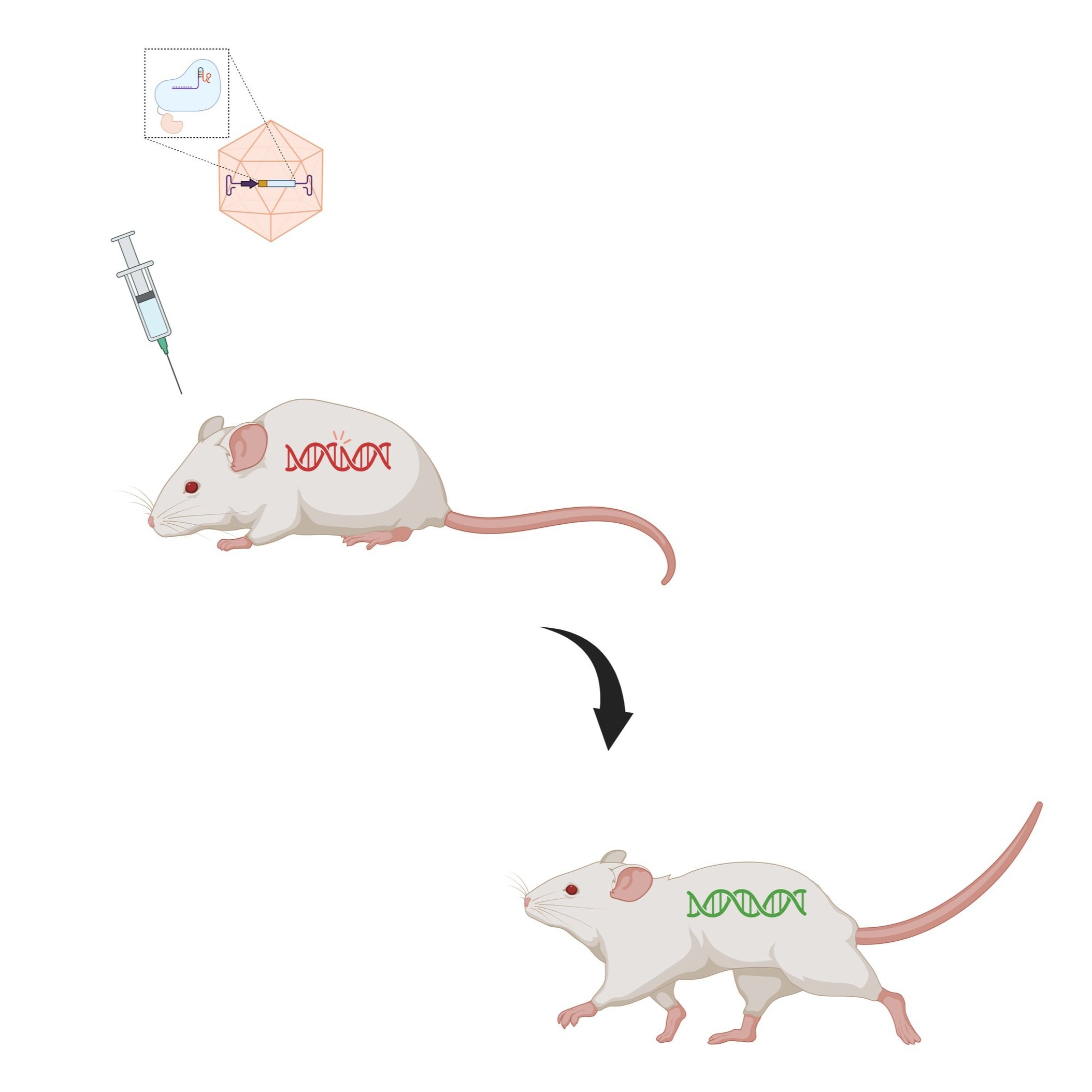
Gene-based therapies hold great promise for treatment of genetic diseases. We aim to accelerate the translation of such therapeutics for patients with genetic neurological diseases, including ongoing projects for treating spinal muscular atrophy (SMA), amyotrophic lateral sclerosis (ALS), and neurodegenerative movement disorders and dementias that are caused by tandem repeat sequences. We develop therapeutic genome editing strategies for these genetic disorders in cells and animal models of disease. We use high-throughput molecular techniques to engineer and improve the safety and efficacy of our vectors, and work towards the preclinical validation of these novel proof-of-concept drugs for future application in the clinic.
Decoding the genomics of neurodegeneration
The cellular processes that translate a genetic mutation into neurodegeneration are often poorly understood, in part because it has been difficult to link the functional activity of a neuron to its underlying transcriptional and genetic state. To close this gap, we are developing a new technology that enables functional readout of neural activity in the same cells used for other genomic profiling. By combining this technology with genetic perturbation, we can run functional genomics screens that directly link specific genes and pathways to neural activity phenotypes, rather than relying on more indirect measures of cell state. We are deploying this technology across cell culture models, including patient- and disease-model-derived iPSC-derived neurons, as well as more intact systems, including ex vivo organotypic brain slice cultures and in vivo models, to uncover new biology by coupling neural activity with cell identity through transcriptomics, and to reveal both disease-specific and shared mechanisms of neurodegeneration, and IDDs that point toward new therapeutic targets.

Improving next generation gene editing technologies
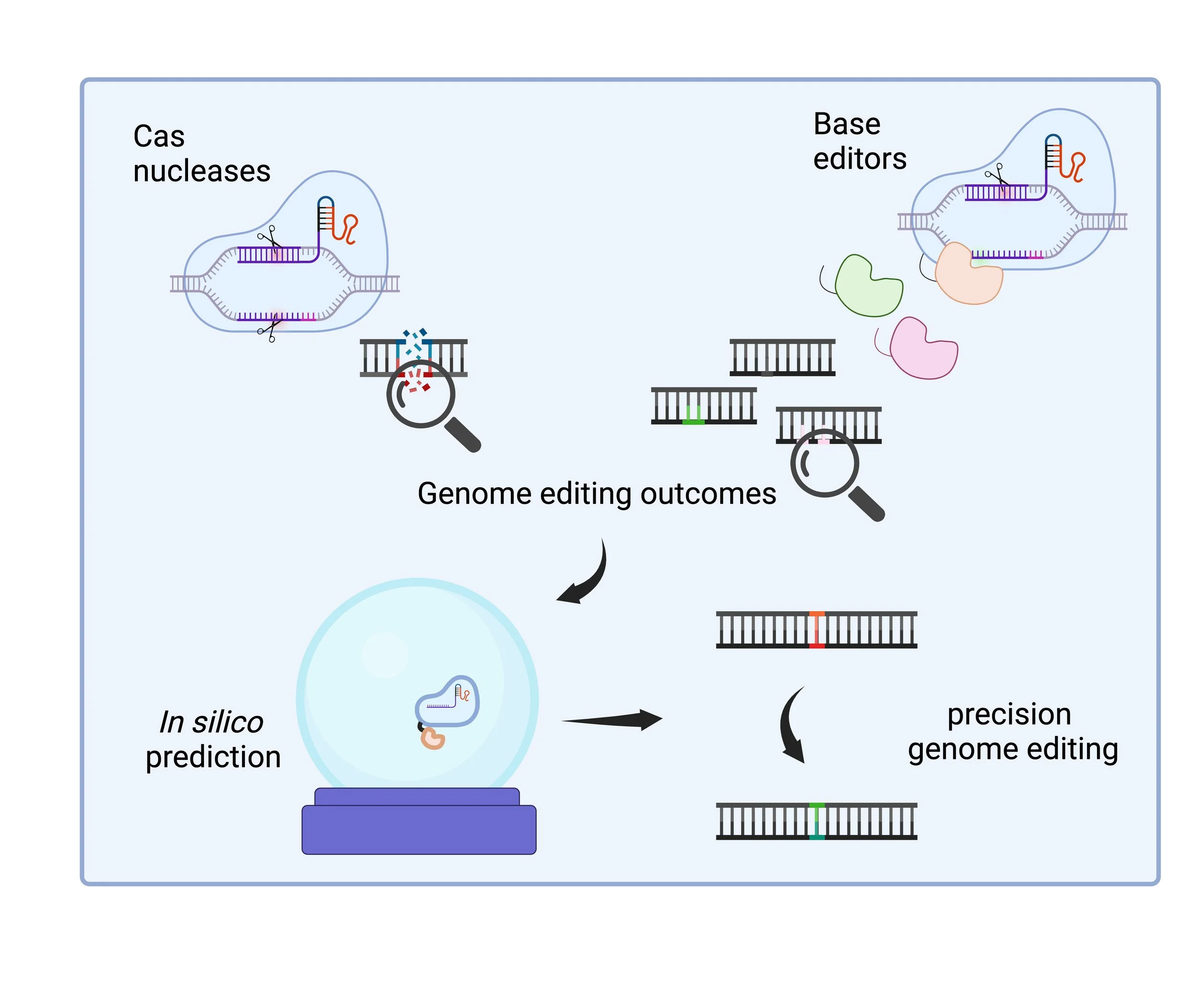
With more than fifteen Cas proteins, ten base editor deaminases, countless prime editing designs, and new CRISPR technologies hitting the scene every few years, predicting which genome editing strategy will perform best at a given locus is difficult, even for an expert user, and empirically testing every possible strategy is cumbersome and costly. We address this by building high-throughput target-library screens and AI models that define the rules governing genome editing outcomes, enabling us to predict efficiency and precision before a single experiment is run. We also apply AI-based protein modeling to design and optimize editors directly, accelerating a process that has traditionally relied on slow, iterative rounds of directed evolution. Together, these technologies streamline strategy selection, and expand the therapeutic toolbox beyond current CRISPR systems to improve the precision and safety of genome editing at disease-relevant targets.